
 Español
 English
 Portuguese

Qué hacer
-

Cherry of Sierra de Francia
If there is a fruit that identifies Salamanca, it is the cherry. Most of the villages, as Madroñal, Villanueva del Conde, Sotoserrano, Garcibuey or Cepeda, have small familiar exploitations that in 2007 led to the creation of the Certification Mark, Cherry of the Sierra de Francia.
-
Lunes de Aguas: To the countryside with the hornazo
Few festive traditions are so rooted in the population of Salamanca as Lunes de Aguas. Its celebration takes place on the next Monday to Easter, after Holy Week.
-
Sendero de las Piedras Mágicas
The roundabouts of the small village of La Redonda offer a simple but beautiful landscape, The histoy, men´s imagination and popular tradition have added to this land some mystery and magical effects.
-
House-museum of Gabriel y Galán in Frades de la Sierra
José María Gabriel y Galán (1870-1905), son of a humble rural family, was a poet in love with the Salamancan and Extremaduran lands, who escaped modernism in search of rather traditional values such as family, tradition, Catholicism and countryside life.
-
Las Batuecas-Sierra de Francia
A mountain labyrinth and intrícate valleys shapes Las Batuecas-Sierra de Francia natural park. Its strategic location between the two plains allows some species to get in contact.
-
Traditional farming house in Galindo y Perahuy
The pens and tenadas (huts to shelter flocks of sheep during the night) adjacent to a modern restaurant host a major collection of ethnographic objects placed in context.
-
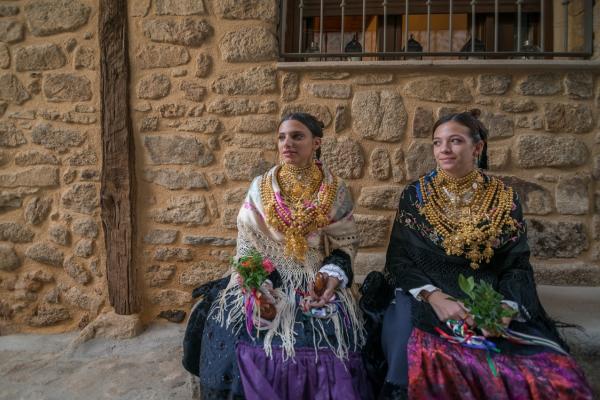
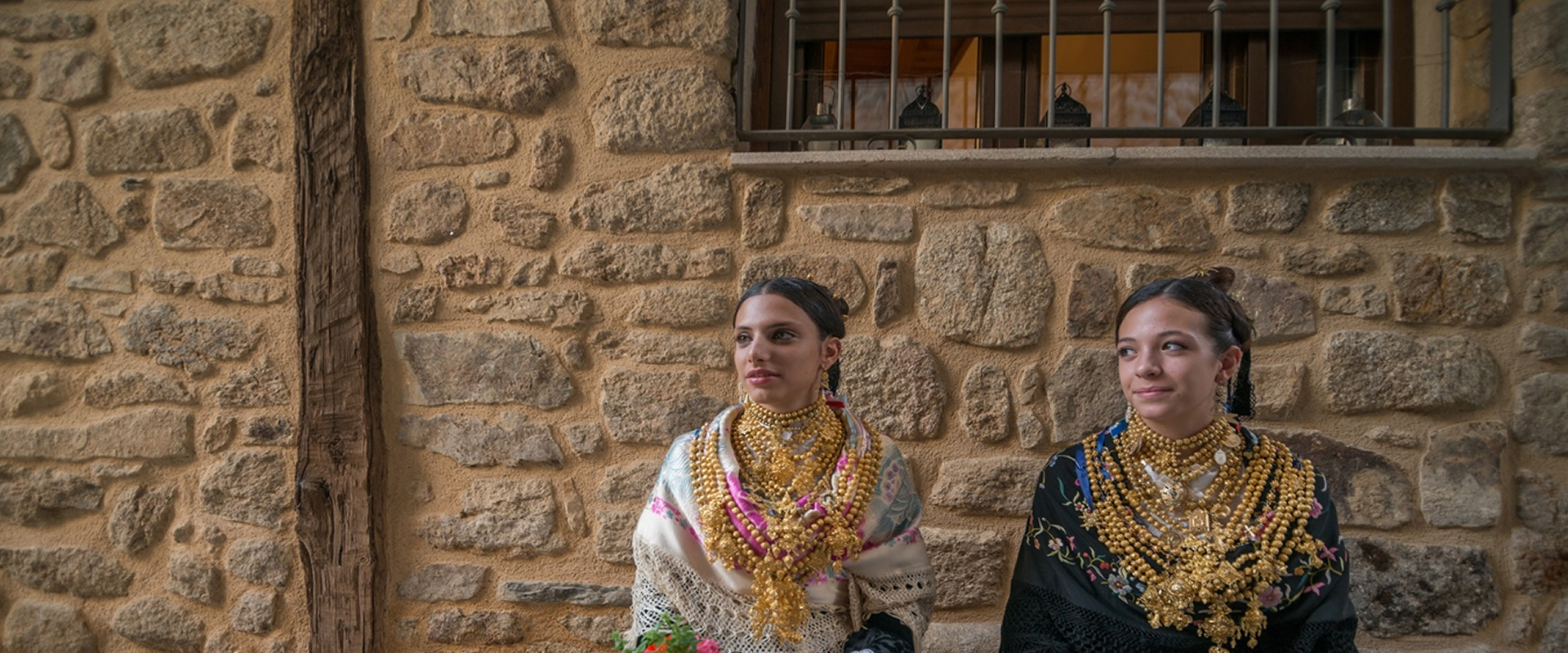
Costume museum in La Alberca
Although traditional clothing in La Alberca dates back to the Middle Ages, today's conception follows 18th- and 19th-century patterns.